

Standing Prayer II
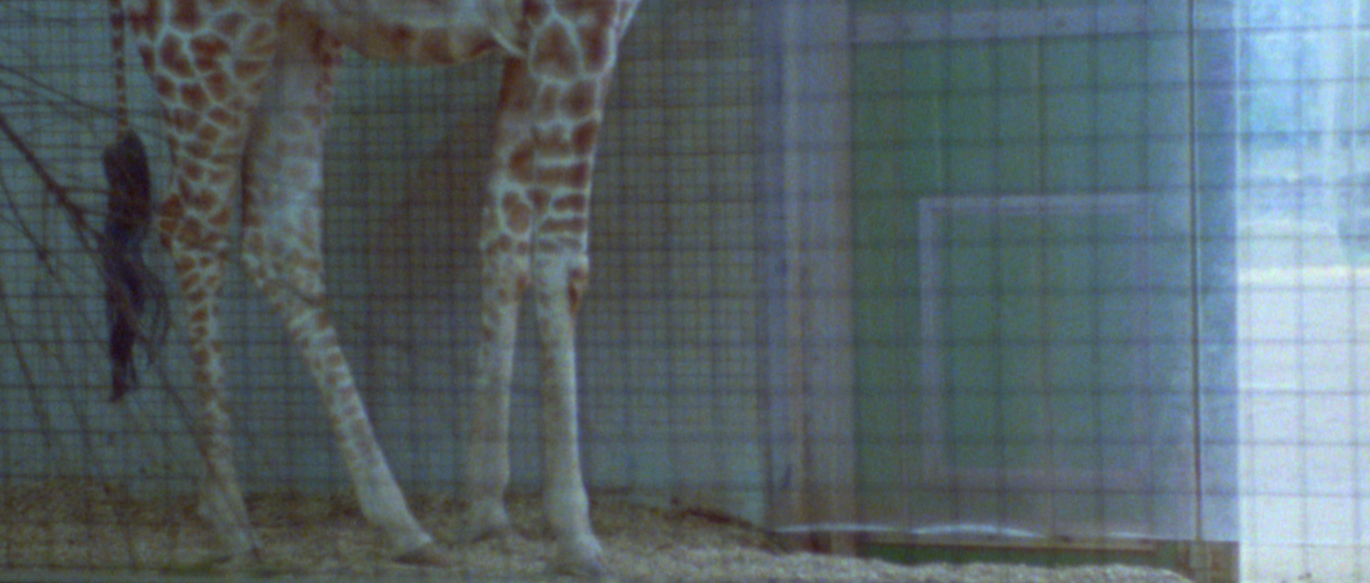
First one, then two giraffes in a small enclosure at a European zoo. Surrounding the animals are square grid patterns (wired glass and tiles), which, competing with the organic texture of their coats, are reminiscent of Muybridge's studies in Animal Locomotion (1887). But the giraffes barely move. They look, listen, ruminate and, above all, stand. Are they perhaps praying? The film's title refers to the Amidah, a major prayer in Jewish worship.
Coarse-grained 16mm stock, often overexposed, washed-out colours, softly vibrating images partly out-of-focus – all qualities that call the pictures into question, as their materiality appears to overshadow what they depict. But that is precisely why they are authentic: light has inscribed itself onto the film emulsion as a physical trace of the scene represented.
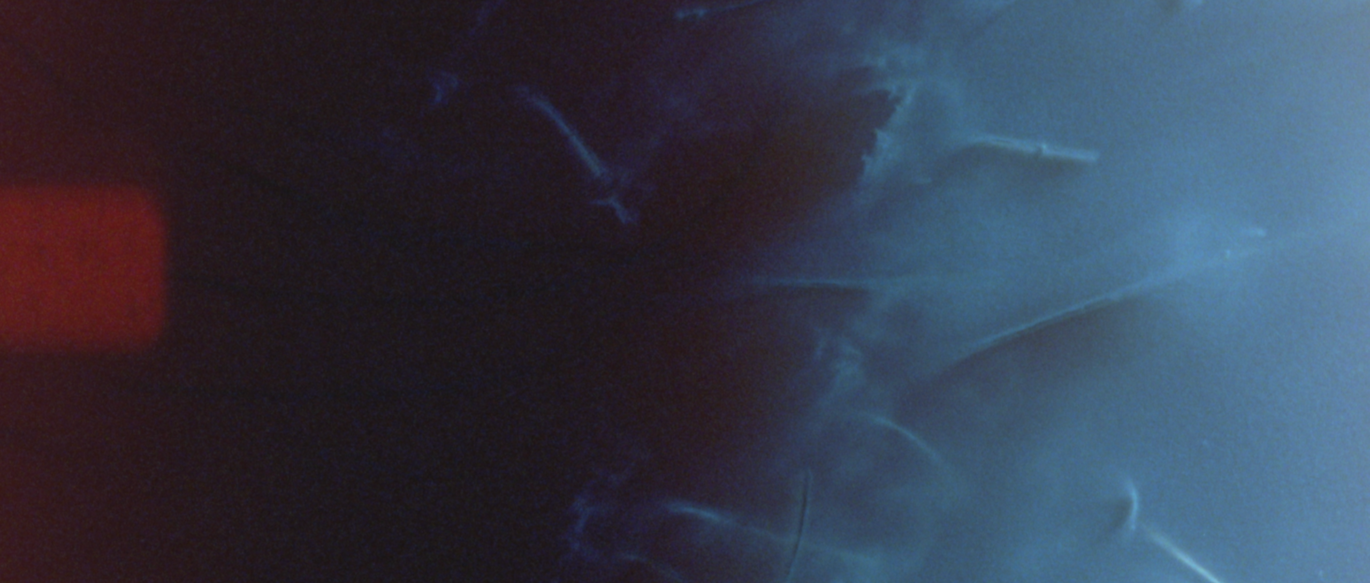
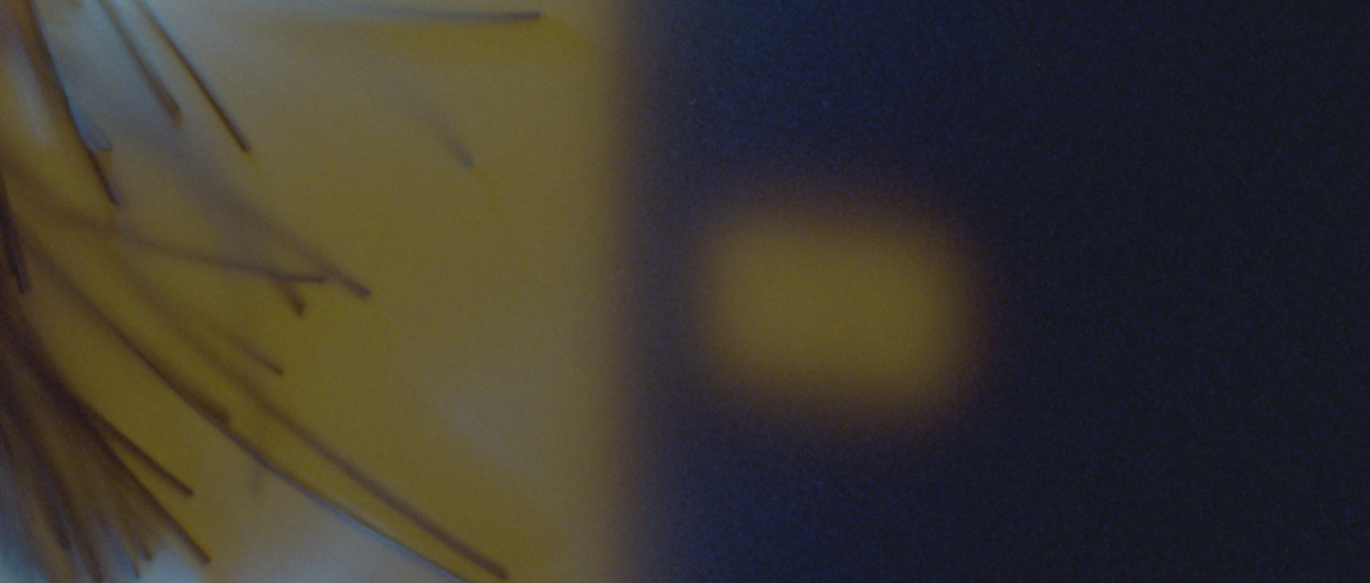
In a second strand, subtly interwoven with the first, abstraction seems to assert itself: now with bold colours and stark contrasts of light and dark, a bewitchingly beautiful, initially non-representational flow of movements also sweeps past „skin and hair“. In fact, as Hugo Max elucidates, these are Rayographs of his own limbs, his bare skin wrapped with raw film exposed in the darkroom. The unseen performance draws inspiration from another Jewish prayer practice, in which ritual objects – tefillin – are used and leather straps of a similar width to the filmstrip are bound around the arm and head for prayer.
As a fabric of fleeting elements, Standing Prayer II constantly withdraws its images from view – those of the endangered species (whose cage ultimately remains empty) as well as those of one's (or its, the film’s) „own skin“. Their precarious status, together with the metallic whistling and percussive soundtrack created by the filmmaker himself, transforms them into constantly regenerating mental images. (Thomas Korschil)
Standing Prayer II
2026
Austria
4 min